Purchasing a motorhome is a serious investment. And if you read the internet, you’ll find a lot of horror stories. It seems like a nightmare of leaks, breakdowns and repairs.
The truth is a little more nuanced.
Motorhomes aren’t necessarily unreliable, but like all vehicles, it’s what you buy and how you maintain it that counts. The issues that people experience are not accidental. They’re common, and more importantly, preventable. If you know what to avoid, you can avoid 90% of the problems people have.
Let’s start with the big ones.
Water ingress (the most damaging)
This is the one you need to watch out for.
Water ingress is the most common cause of major motorhome damage. The problem is that it can be subtle. By the time you notice it, the damage may be severe.
The problem is, it’s contagious. Water seeps into the timber framing, insulation and wall panels, and eats away at it from the inside.
Signs to watch for:
- Spongy walls, floors or windows
- Bubbling or wrinkled wallpaper
- Unpleasant odours
- Old, worn or damaged roof seals
The good news is it’s largely preventable.
Regularly checking seals and roof joints goes a long way. Even a quick look every 6–12 months can catch issues early.
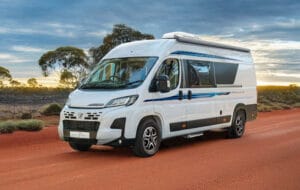
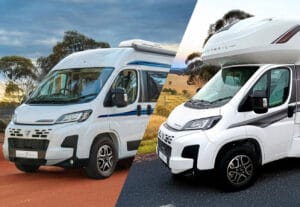
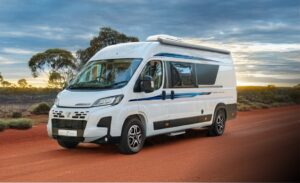
Construction quality matters too. Higher-quality motorhomes have better seals and materials that are more water-resistant. That’s one of the reasons why many people opt for European models such as the Auto-Trail Expedition C63 or Auto-Trail Expedition C71, where build quality is a priority.
Tyre failure (it’s not the tread, it’s the age)
This is a common one.
Motorhome tyres often look fine. They have lots of tread, no visible damage. But that doesn’t mean they’re safe.
Tyres age, particularly if a car is left unused for a long time, or exposed to the elements. The majority of failures are due to age, not wear.
As a general rule:
- Change tyres every 5-7 years
- Look at the date, not the appearance
- Don’t judge by looks
A motorhome blowout is not only frustrating. It can be dangerous and expensive.
Hidden maintenance costs
This is more of a warning than a problem.
There are costs associated with owning a motorhome. You have a car and a house to look after.
Things to factor in:
- Engine servicing
- Habitation servicing (gas, electrics, water systems)
- General wear and tear
- Occasional repairs
This is all reasonable, but if you expect to pay car prices for maintenance, you will be surprised.
A quality motorhome will be cheaper to run. Cheap builds can be money pits.
Limited servicing options
Another one that surprises people.
Not all workshops are equipped to service motorhomes. You may need to find a specialist, depending on the chassis and size.
This can mean:
- Fewer service locations
- Longer wait times
- More expensive labour costs
However, popular platforms such as Fiat-based motorhomes are well supported, which is why many motorhomes, such as the Auto-Trail Expedition 66 and Auto-Trail Expedition 68 XL, are based on them.
Warranty expectations vs reality
Warranties are great, but they can be confusing.
They don’t cover everything, and they don’t always mean instant fixes. If you have a problem with your motorhome, it may need to go to a service centre, and that can take a while.
It doesn’t mean it’s not worth it, just be prepared.
The key is to:
- Understand what’s covered
- Deal with a quality dealer
- Put quality first
Cheap builds vs quality builds
This is where the problems begin.
Cheaper motorhomes tend to skimp on less visible areas. Seals, insulation, materials. The things that make a difference.
Two motorhomes can look the same on the outside. But they can be very different.
Paying more for a quality motorhome typically means:
- Fewer issues
- Better durability
- Lower long-term costs
- Greater comfort
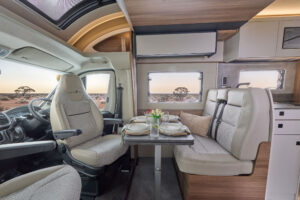
It’s also why things like insulation and build quality are not “bells and whistles”. They affect the motorhome’s performance over the long term, particularly in Australia.
So, should these issues deter you?
Not at all.
All cars have problems, and motorhomes are no exception. The only difference is that with motorhomes, you can really mess up.
The good news is, most of these problems are common. If you understand them, check them out and get a good build, you will avoid most of the issues discussed on the internet.
Final thoughts
Owning a motorhome is a great way to travel Australia. The freedom, the flexibility, the ability to travel on your terms. It’s hard to beat.
But as with any major purchase, it pays to be prepared.
If you are in the market for a motorhome and want to make sure you get one that will stand the test of time, it’s worth doing your homework. Not just the layout and price, but the build quality.